The car ride after the game
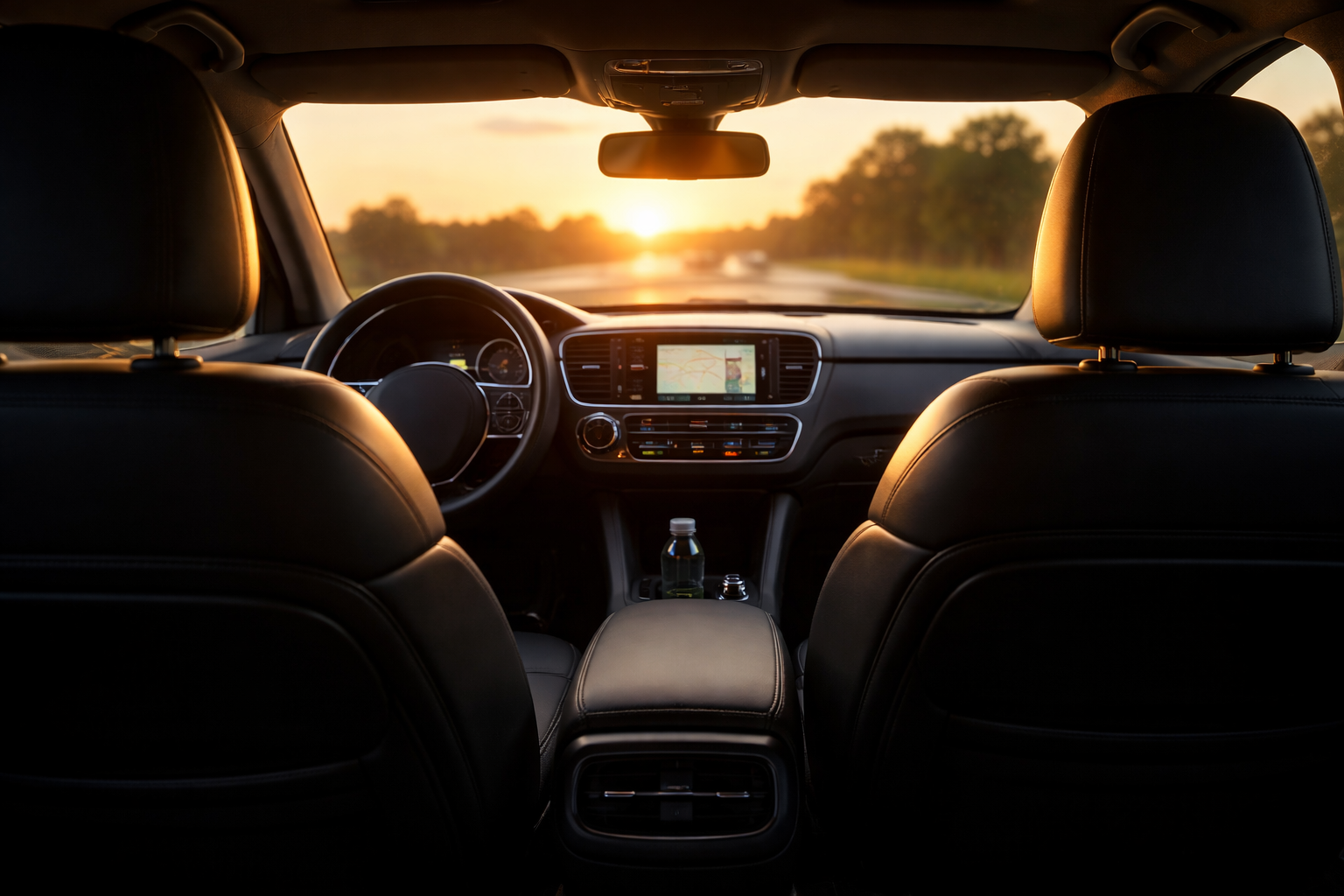
Not everything that matters happens during the game.
Sometimes, what leaves the deepest mark happens afterwards.
On the drive home.
When adrenaline fades.
When the noise dies down.
When there’s no audience anymore.
The car then becomes a peculiar space.
Closed.
Shared.
With no escape.
There's another side to that space worth exploring: the car as a rehearsal room, where music turns drives into something more than transport.
Silence plays too
There’s an almost automatic temptation:
to fill that space.
To analyse.
To correct.
To explain.
To repeat what was already seen from the stands.
But saying nothing is sometimes the best option.
At times, what matters most is letting silence do its work.
Silence allows the experience to settle.
Emotions to reorganise.
The person to process what happened at their own pace.
What to say… and what not to say
This isn’t about never speaking.
It’s about choosing the right moment and the right words.
Some phrases tend to help:
- “How did you feel?”
- “What was the best part today?”
- “If you want, we can talk about it later.”
Others, even if well intentioned, usually don’t help:
- “You should have…”
- “From the outside I saw that…”
- “You always do the same thing.”
Not because they’re false.
But because it’s not the moment.
Accompanying is not directing
The drive back isn’t a technical talk.
Nor an evaluation.
It’s a space for accompaniment.
Accompanying means:
- Listening more than speaking.
- Validating emotions before results.
- Respecting the process.
Directing, on the other hand, often comes from haste.
From discomfort with mistakes.
Or from the desire to protect… by intruding.
The difference is noticeable.
And remembered.
Learning isn’t always immediate
Not all learning happens in the heat of the moment.
Nor does it always need words.
Sometimes it appears hours later.
Or the next day.
Or in the next practice.
Forcing it during the car ride often has the opposite effect:
closing instead of opening.
Patient accompaniment leaves room for reflection to emerge on its own.
The adult learns too
This drive isn’t formative only for the one who played.
It is also formative for the one who accompanies.
Learning to stay quiet.
To wait.
To trust.
It’s not easy.
But it’s part of the role.
Heading home
The car keeps moving.
The city reappears.
Life goes on.
Maybe not much was said.
And yet, something important happened.
Because accompanying well doesn’t always leave a visible trace.
But it almost always leaves a memory.
And in the long run, that’s what truly matters.
